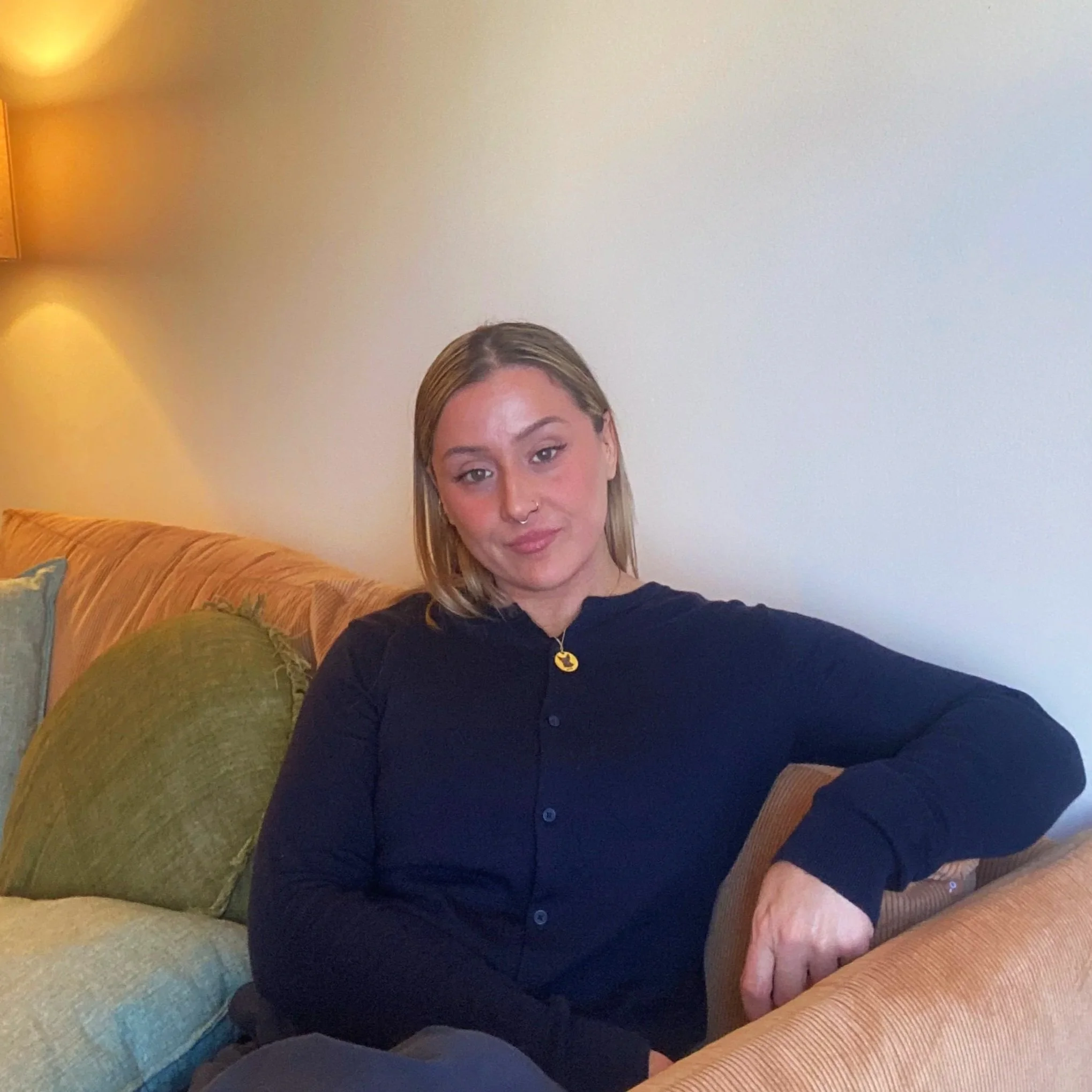
My 12-year ADHD (and Autism) diagnostic journey.

I recently attended the annual AADPA (Australasian ADHD Professionals Association) conference in Melbourne and had the pleasure of feeding my brain with lots of new research and information about ADHD, neurodivergence, diagnosis, awareness and treatment.
There was a nice mix of lived experience stories and peer reviewed evidence. Some of it I already knew anecdotally and through personal experience, which was great to see concrete research about. But most was new to me, especially in the areas outside of my expertise - like genetic testing and pharmacological treatment.
In particular, I listened to musician, Nat Bartsch’s experience of getting an AuDHD diagnosis, and the journey it took to get there. She recounted 10 years of initial diagnoses of depression, anxiety and bipolar disorder, trials of antidepressants, mood stabilisers and benzodiazepines, numerous medical and health clinicians saying “no you don’t” when raising the question of neurodivergence, labels of treatment resistant mood disorders, years of self-research and self-advocacy until finally a very-late diagnosis of Autism and ADHD in her 30s. Following this diagnosis, she then began investing health issues she had been experiencing, and discovered she also has POTS, hEDS, MCAS, and more.
This piqued my interest, not only because it spookily mirrored my own experience of neurodivergent diagnosis, but because it is a story I have heard more times than I can count by other neurodivergent women. It is unfortunately common that women are overlooked and underdiagnosed when it comes to ADHD and Autism.
Similarly, my early adulthood entailed many GP visits, with complaints of frequent cycles of depression, mood stability, insomnia, low self-confidence, and difficulty sustaining habits.
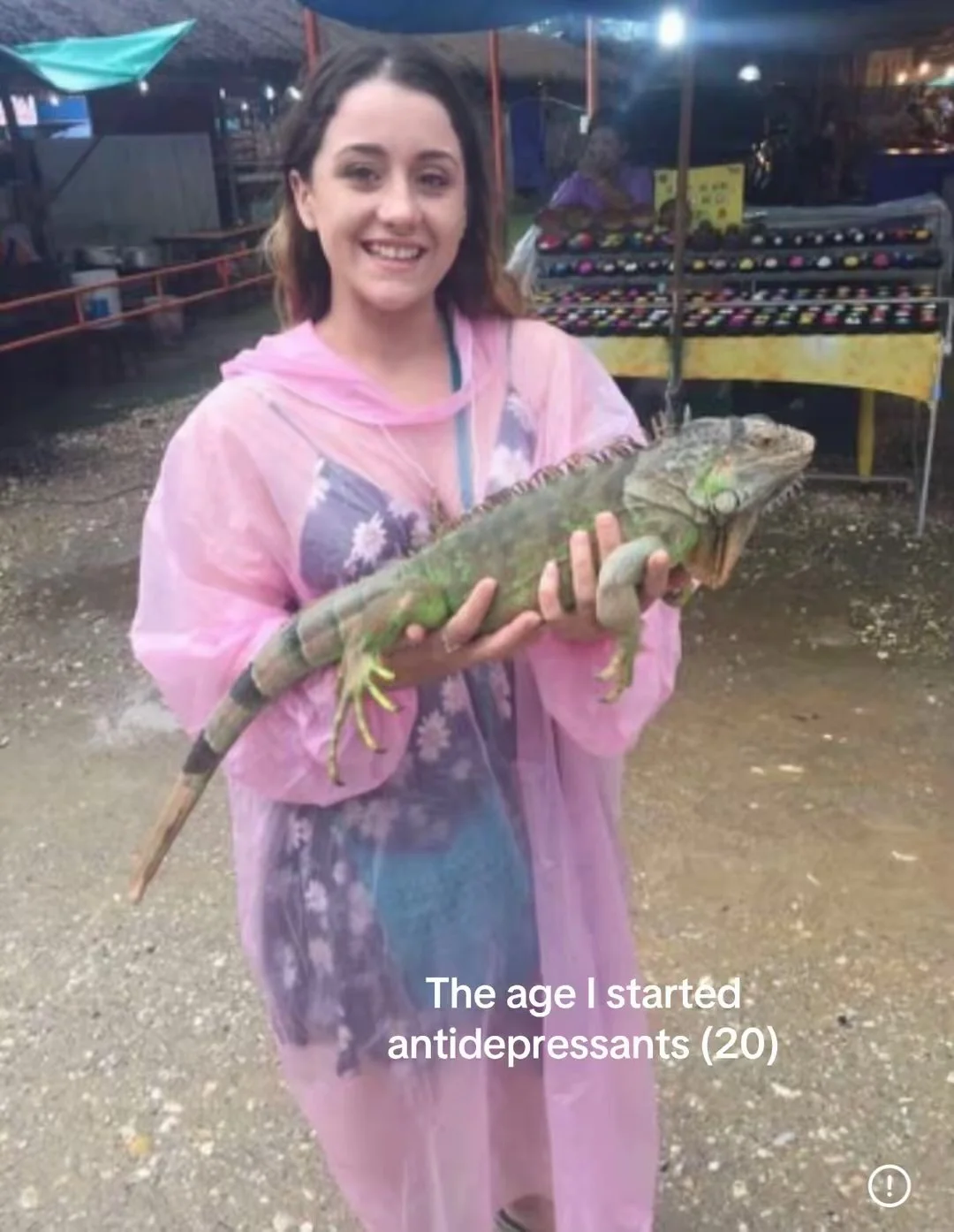
Starting at 20, I was prescribed a few different types of antidepressants, which all didn’t work.
One GP suggested I had Bipolar Disorder 2; the lesser severe Bipolar Disorder, due to the constant ups and downs I was having. I was given mood stabilisers, which only had the effect of giving me intense nightmares - effectively worsening my insomnia, so I stopped with those.
At one point I suggested to my psychiatrist that I thought I might have ADHD, but there was no investigation or assessment, barely a discussion of what this might look like in my life. So, I didn’t think much else about it.
There were countless medical appointments and I still didn’t have any answer.
During this, I was struggling through my psych degree and working part-time. My grades were very inconsistent - like me. It felt like no matter how much I prepared for classes, I would show up and everyone was talking about things I had never heard of.
It was like everyone else was in on a secret and no one was bothering to fill me in.
I often worried I had shown up to the wrong class somehow. I was frequently late to classes and often got lost on my way to uni, despite using maps on my phone. There were occasions I would end up 2 hours late, have a break down, and then just turn around and go home and give up on the day. My grades suffered, and I failed a lot.
I was also struggling at work. I worked nights for years, which affected my sleeping patterns and my ability to get to early classes. But switching to a day job was no better. I was always late, unprepared, and burned out at every job after the first year.
I managed to finish my bachelor just short of the GPA I needed to qualify for honours. I didn’t even care at the time, I was glad to have just finished it. But it impacted my future studies, because I didn’t qualify for psychology honours - which I needed if I was going to become a psychologist. It felt like I had wasted 4 years on a (3-year) degree which got me nothing.
The beauty of ADHD short-term memory is that I quickly forgot I needed honours, and found some counselling degree options that I liked. I impulsively applied to university again, 3 years after I completed my bachelor, and was accepted. I did a lot better because I mostly studied from home, but I still procrastinated everything and submitted assessments late.
I continued to complain to my GP of insomnia and anxiety, and so was prescribed valium to help. At first, it really helped, but I was quickly needing to increase my dose. Knowing this medication was highly addictive, I opted to stop using it, and again nothing had worked and I was back to the start.
That was my 20s.
At 30, I had been working in mental health for a few years and had more awareness of neurodivergence.
I knew about ADHD, but I wasn’t bouncing off the walls all the time, I had pretty average grades in school, I muscled my way through 3 degrees including a master’s degree, and I could hold down a job for at least a couple years at a time. Every online prescreener I took said “nope not ADHD.”
Despite friends and family, and healthcare professionals, all saying things like “you don’t seem ADHD”, “that is just normal kid behaviour”, or “it’s probably just that your phone has shortened your attention span”, I still felt like something was off.
When I started looking up what ADHD looks like in women specifically and hearing experiences directly from women with ADHD, I felt like things actually made sense for once. I realised the traits can look so different to typical “boy” ADHD.
Women and girls are more likely to have internalised expressions of ADHD, rather than external.
For me, I wasn’t bouncing off the walls with hyperactivity, but I talked a lot and my mind was (and is) constantly busy with thoughts and songs on repeat. This also looks like difficulty with idleness and sitting still. I could certainly sit in one spot for a period of time, but after while it would feel so unbearable I wanted to crawl out of my own skin. It made sense now why I hated meetings.
I would also struggle to just rest on weekends after a busy work week because sitting still at home would result in the most intense depression and existential dread I ever felt, so I would go out partying and drinking and seeking dopamine to avoid this.
Women and girls are more likely to have inattentive presentations of ADHD.
I struggled with focus and attention, which felt like I was going to die of boredom watching a lecture or a speech, and I always skimmed emails and instructions which meant I was missing the important parts.
It was also extremely hard to just sit down and do my uni work or any task at all without a deadline. I felt like I could never make my brain just go.
Women and girls display symptoms in a “socially acceptable” way.
Another reason my inability to sustain attention on a task was overlooked was because the hobbies that I loved and hyperfixated on (for literally 5 minutes) were things like art, sewing, fashion, photography, and other traditionally “feminine” hobbies.
“Stimming” (which are repetitive movements used for self-regulation) for women and girls can look like twirling hair, playing with clothes, biting nails, singing or playing with jewelry, rather than tapping, leg bouncing or vocalisations which are more common in male presentations of ADHD. The ways that girls and women with ADHD stim are all considered “normal” or socially acceptable (and feminine) things for women to do. Not only that, but these are also viewed as flirting behaviours. It finally made sense to me why people thought I was flirting, when I thought I was just being nice (and stimming).
Eating and snacking is also a form of stimming, especially really tactile or flavourful foods (salty, crunchy chips anyone?), and I felt like I always needed some sort of crunchy snack, even when I wasn’t hungry.
Women and girls with ADHD are more likely to have emotional and mood difficulties.
The mood instability I struggled with was suggested to be Bipolar Disorder by a male doctor, despite not exactly meeting the criteria for Bipolar Disorder because it occurred too frequently (for me every 2-3 weeks, while Bipolar depression typically lasts weeks or months) and I didn’t experience mania or hypomania.
It turned out to be PMDD (Premenstrual Dysphoric Disorder), which is a more severe form of PMS (premenstrual syndrome) where the luteal phase which occurs 1-2 weeks before menstruation results in a significant drop in mood, worsened cognitive functioning, anger, irritability, and depression so extreme that suicidal thoughts can occur. PMDD is highly comorbid with ADHD.
I was also very sensitive to any rejection or criticism, and even perceived things that were neutral as negative. This turned out to be RSD (Rejection sensitivity dysphoria).
And I cycled in and out of burn out at every job I had, going all in 110% for the first year and then being completed depleted by the second year until I eventually quit. On the outside it just seemed like depression.
There were so many other traits I didn’t realise were actually ADHD, and even now I’m still learning more about myself. Even my life-long, incurable insomnia is a typical trait of ADHD, because sleep disorders are also commonly comorbid.
All these women with ADHD were perfectly describing me, while numerous professionals over the course of a decade didn’t see this.
I learned as much as I could, I listed every symptom I had, and I advocated for myself to get a referral to a psychiatrist for an assessment.
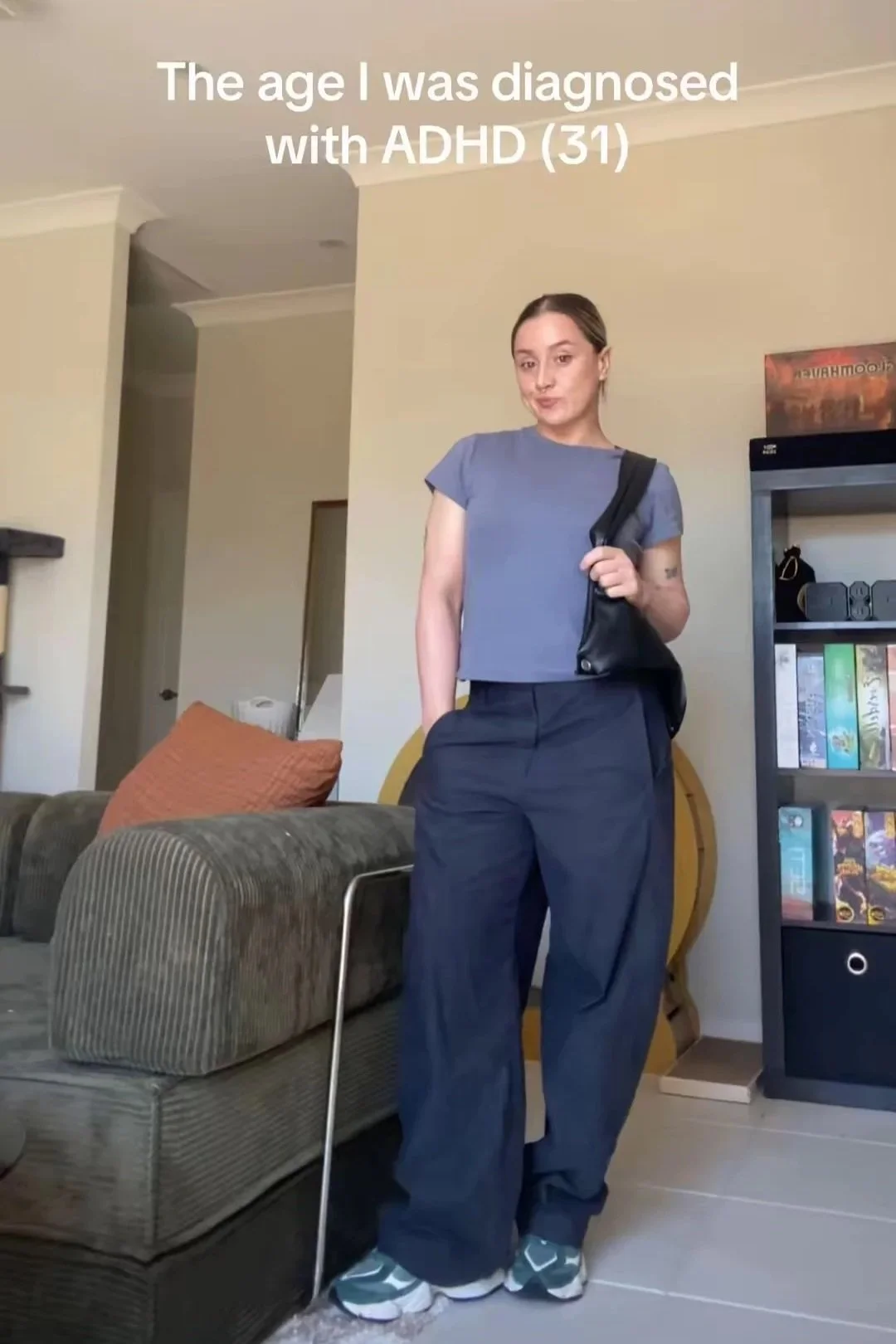
I got my ADHD combined type diagnosis at age 31, which is the average age women receive their diagnosis.
I started stimulant medication (Vyvanse) and my sleep schedule became more regular, my mood was more consistent each day, I was able to sit still for longer periods of time, I was able to manage time better and felt my mind wandered less. All the things I struggled with my whole life felt so much easier. There was no longer an invisible wall that blocked every task, now I could just get up and do things. I could keep up with life. I was getting on top of things.
I started noticing other things too.
I noticed that I was very intolerant to changes in plans, felt like my mood was impacted by wearing uncomfortable clothing, and realised I always had internal “plans” or expectations for things, and I would become upset if it didn’t manifest exactly how I had imagined it. I became more sensitive to smells and so things like cheese (which I loved) started smelling and tasting too strong to me. I also realised how much I internally struggled in social settings. I was always so self-conscious about how I responded, how I acted or what I said, replaying it in my head for days afterwards, and was constantly hyper vigilant to emotions and changes in body language. My underlying autism was being revealed.
At age 32, 8 months after my ADHD diagnosis, my psychologist gave me a tentative diagnosis of Autism level 1 (tentative because I have low support needs and opted for a brief screen/assessment rather than a full assessment).
Now, still 32, I suspect I may be hypermobile as well.
I first started antidepressants at age 20, and 11 years later I got the right diagnosis and treatment.
I have learned that so many women and people assigned female at birth have had an almost identical experience to me.
Women and girls are statistically more likely to receive a diagnosis of ADHD/Autism 4-6 years later than boys and men do.
Women and girls are more likely to experience medical misogyny.
Women and girls are frequently overlooked for neurodivergent conditions, and so the co-occurring health conditions are left invisible for much longer.
This inspired me to specialise in this area, in the hopes it could help other women and people assigned female at birth to be supported, educated, advocated for and to understand themselves earlier.
Although there is a long way for research and awareness to go for women’s health and neurodivergence, I felt some hopefulness while hearing the research and lived experience presented at the conference. With increasing awareness of these experiences, soon women and girls may not have to spend over a decade figuring out who they are and advocating for their own treatment and maybe have a better shot at life early on.